Minimalist Cat Embroidery Design Review
A First Glance at Minimalist Cat
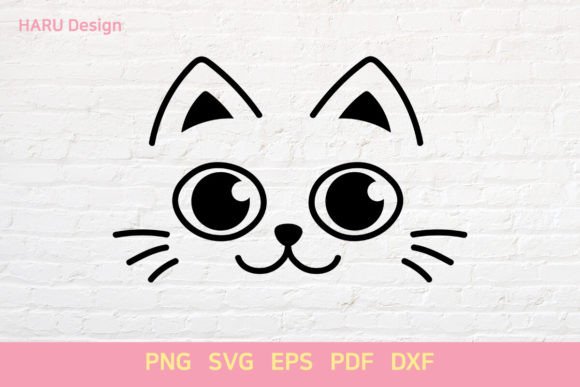
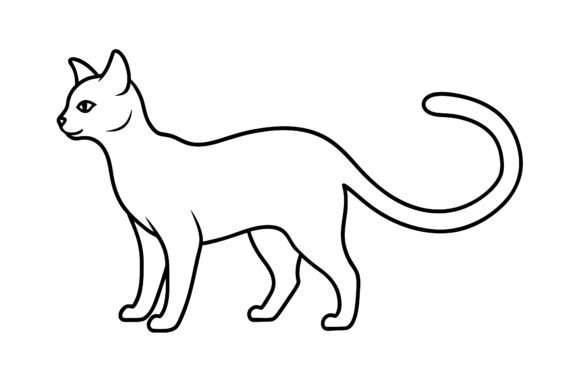
At first glance, the Minimalist Cat design feels like a quiet whisper in a room full of loud statements. It's not trying to shout its presence—it’s more about subtle charm and elegant simplicity. The line art is clean, with just enough detail to suggest a cat without being overwhelming. This makes it feel instantly relatable yet artistic, almost like a sketch that’s been thoughtfully refined.
The mood it creates is soft and inviting, perfect for projects that need a touch of personality without overpowering the fabric or the overall look. Its layout is balanced, and the visual personality leans into the idea of understated elegance. I can see this design fitting well on products like tote bags, baby clothes, or even personalized gifts where a gentle illustration would stand out but not dominate.
How Minimalist Cat Performs in Real Embroidery Projects
When considering how Minimalist Cat would translate to real embroidery, I think of a custom embroidered tote bag. The design’s simplicity allows it to sit nicely on a larger surface without feeling cluttered. The lines are crisp, which means they should stitch cleanly, especially if using a satin stitch or fill stitch to bring out the shape.
This design also has potential for sweatshirts, t-shirts, and even caps. On stretchy fabrics, though, I’d recommend testing it first to make sure the lines don’t distort. For patches, it could be a great choice—its minimalism makes it versatile and easy to incorporate into different styles, from rustic to modern.
On baby clothes or nursery decor, the softness of the design adds a comforting touch. And for holiday gifts or personalized products, it offers a unique twist without being too flashy. It’s also a solid fit for small shop products or Etsy listings where customers appreciate thoughtful, handmade details.
Where to Use Minimalist Cat with Caution
While Minimalist Cat is a strong design, there are situations where it might require extra attention. For example, when working with small hoop sizes, the fine lines might get lost or appear jagged if the resolution isn’t high enough. Similarly, on textured fabrics or thin fabric, the stitching might not lay as smoothly, so using the right stabilizer becomes essential.
Stretchy fabrics like knits or jerseys can cause the design to warp, especially around detailed corners. Testing on scrap fabric first will help determine if adjustments are needed. When using dark fabric backgrounds, I’d check the thread color contrast to ensure the cat remains visible and doesn’t blend into the fabric.
Also, when placing it on curved surfaces like caps or decorative accents on aprons, the design may need some repositioning to maintain clarity. Finally, for items that undergo frequent washing, reinforcing the stitching area will help preserve the design over time.
Visual Appeal and Practical Value
The Minimalist Cat design contributes to the visual appeal of any product it’s placed on. It adds a sense of character without being too busy, making it ideal for handmade products or personalized gifts. Customers will likely find it charming, especially if it’s used on custom apparel or embroidered patches that carry a personal or sentimental meaning.
From a business standpoint, this design can boost product value and customer trust by offering a professional finish. It supports brand consistency for craft businesses or small shop products that aim to stand out with unique, quality designs. Plus, its versatility makes it highly giftable—whether for holidays, weddings, or everyday use.
It’s also a good choice for digital embroidery files that need to be included in printable mockups or design assets for commercial use. As long as the licensing allows, it can serve as a reliable commercial embroidery asset for Etsy sellers or craft fair products.
Embroidery Designer Notes: Tips for Using Minimalist Cat
If you’re planning to use Minimalist Cat in your next project, here are a few practical tips:
- Test the design on scrap fabric before committing to a finished product. This helps identify any potential issues with stitch density or thread visibility.
- Check thread color contrast against the fabric you plan to use. A white or light-colored cat might not show up well on dark fabric unless you adjust the thread accordingly.
- Review stitch density to ensure the design looks clean and doesn’t appear too sparse or too dense.
- Confirm hoop size and adjust the design if necessary to fit within your machine’s capabilities.
- Inspect small details to make sure the lines remain sharp and defined after stitching.
- Test it in black and white mockups to see how it translates across different color palettes.
- Compare light and dark fabric backgrounds to understand how the design will look in various settings.
- Use proper stabilizer to keep the fabric taut and prevent distortion, especially on stretchy or thin materials.
- Check whether the design works for both personal and commercial projects and confirm licensing terms before selling finished items or digital products.
Overall, the Minimalist Cat is a solid choice for anyone looking to add a touch of charm to their embroidery work. Whether you're an apparel decorator, handmade shop owner, or creative entrepreneur, this design brings a sense of calm and elegance that can elevate your finished product.